
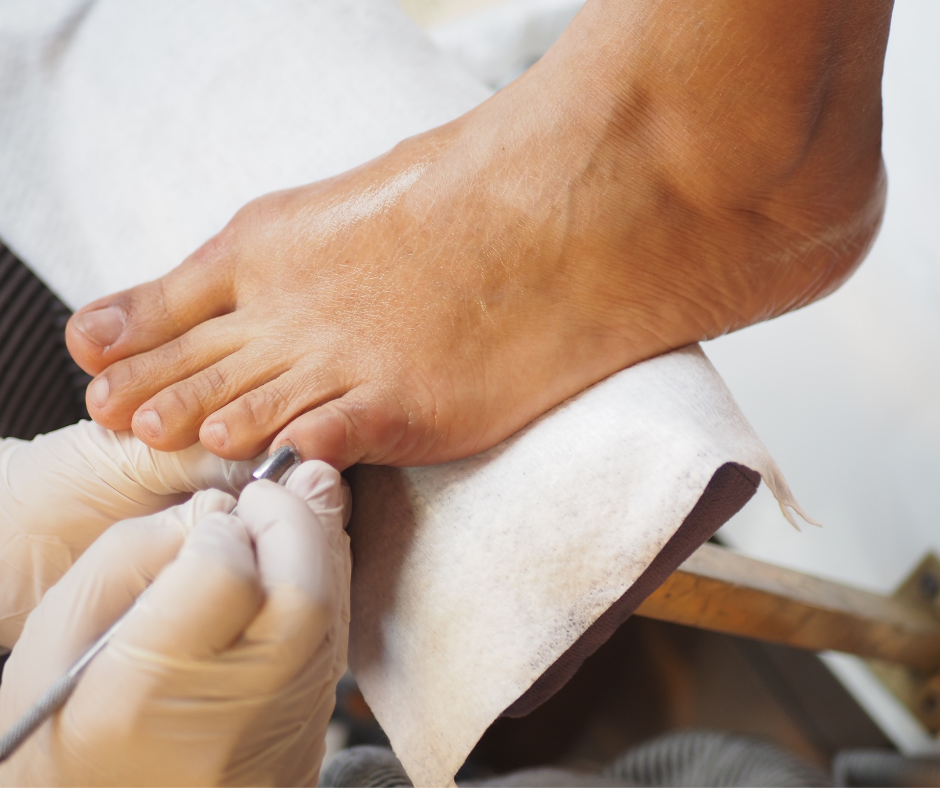
Fungal toenails are one of the most common—and most misunderstood—foot conditions. Many people hope the problem will improve on its own or try a series of over-the-counter treatments without success. What often gets overlooked is that fungal nail treatment is less about the product you choose and more about timing, consistency, and realistic expectations.
That’s why January is an ideal time to begin treatment.
Fungal Toenails Don’t Clear Quickly—and That’s Normal
Toenails grow slowly. On average, a toenail grows only one to two millimeters per month, which means it can take a year or longer for a damaged nail to fully grow out. Even when treatment is working, improvement happens gradually and starts at the base of the nail, not at the tip.
Because progress is slow, many people abandon treatment too early, assuming it isn’t working. In reality, the nail simply hasn’t had enough time to replace itself.
Why January Is the Smartest Month to Start
Starting treatment in January allows you to work with the natural timeline of nail growth rather than against it. Winter footwear hides cosmetic changes while treatment is underway, which reduces frustration and helps patients stay consistent. There’s also less pressure to “fix it fast” compared to spring or summer, when sandals and open shoes are back in rotation.
January routines also tend to be more structured. People are more likely to stick with daily care when their schedule is predictable, which plays a major role in successful outcomes.
Why So Many Treatments Fail
Fungal toenail treatment often fails not because the condition is untreatable, but because key steps are missed. In many cases, the diagnosis is assumed rather than confirmed. In others, treatment is applied inconsistently or stopped too soon. Reinfection from surrounding skin or footwear is another common issue that patients aren’t warned about.
Effective care usually requires addressing the nail, the surrounding skin, and the environment around the foot—not just applying something to the nail itself.
The Importance of Daily Nail and Skin Care
While medical treatments target the infection itself, daily nail and skin care supports the overall treatment plan. Keeping the surrounding skin clean and healthy can help reduce reinfection and support the nail as it grows out. Consistency matters more than intensity, and small daily habits often have the biggest long-term impact.
What Improvement Actually Looks Like
Successful treatment doesn’t mean a nail suddenly looks clear. Instead, you’ll see healthy nail growth slowly emerging from the base while the damaged portion grows forward. Discoloration and thickening don’t disappear overnight, and setbacks can happen. Understanding this process upfront helps patients stay committed and avoid unnecessary frustration.
When to Seek Professional Guidance
If you’ve been treating a fungal nail without improvement, or if the nail is thick, painful, or significantly distorted, a professional evaluation can help clarify your options. Confirming the diagnosis and creating a realistic plan can save months of trial-and-error.
If you’re ready to stop guessing and start making real progress, we’re here to help.
A thorough evaluation can confirm whether a nail condition is fungal and determine the most appropriate treatment plan based on your goals and lifestyle.
👉 Call 207-774-0028 to schedule a consultation to discuss your options and start the process with realistic expectations.

