
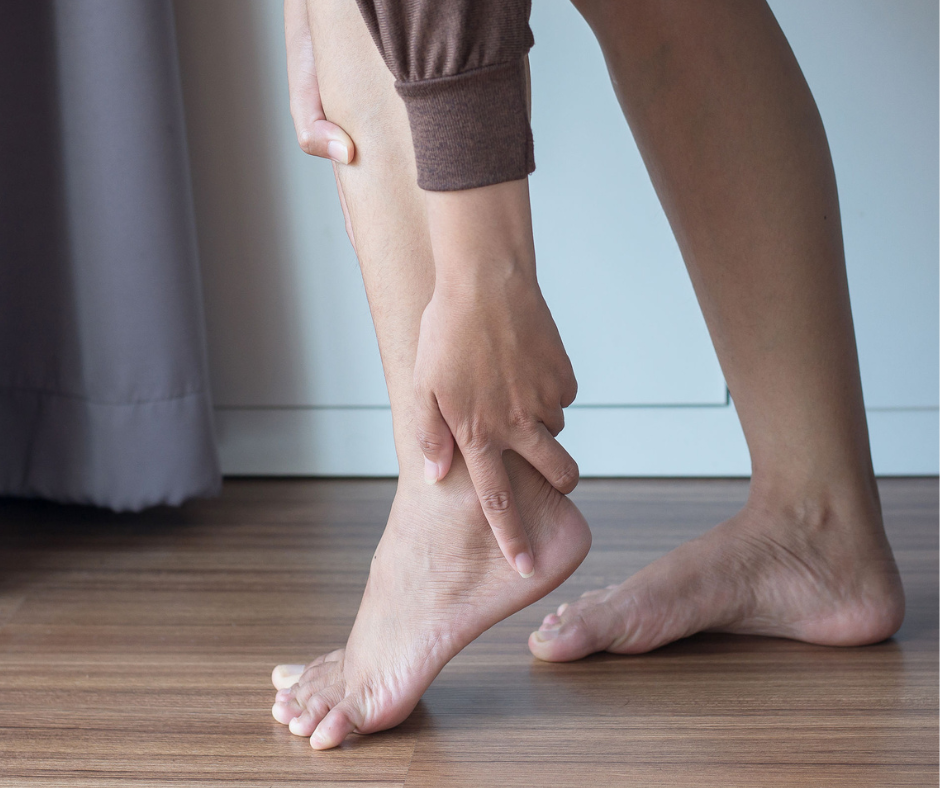
Many patients are surprised when heel pain flares up during the winter months—especially if they’re exercising less. It seems counterintuitive, but colder weather actually creates the perfect conditions for foot pain to develop or worsen.
Cold Weather Makes Foot Tissue Stiffer
Ligaments and connective tissue become less flexible in cold temperatures. When the plantar fascia stiffens, it is more vulnerable to small injuries, particularly during the first steps of the day. This reduced flexibility means the tissue doesn’t absorb stress as efficiently, increasing strain on the heel with everyday activities like walking around the house.
Winter Habits Increase Stress on the Heel
Cold weather changes how we move at home. Many people spend more time walking barefoot or in thin slippers on hard surfaces such as tile or hardwood floors. Standing on these surfaces without support places repeated stress on the heel and plantar fascia, even if overall activity levels are lower than usual.
Footwear Plays a Bigger Role Than You Think
Winter shoes can also contribute to heel pain. Many boots and cold-weather shoes have stiff soles, minimal arch support, or alter how pressure is distributed across the foot. Even well-insulated boots can worsen symptoms if they don’t properly support your foot structure or allow natural movement.
Why Heel Pain Is Often Worse in the Morning
Morning heel pain is one of the most common symptoms patients describe. During sleep, the plantar fascia tightens as the foot rests in a relaxed position. When you take your first steps out of bed, that tight tissue is suddenly stretched, which can cause sharp pain that gradually improves as the foot warms up and becomes more flexible.
When Heel Pain Should Be Evaluated
Occasional soreness may improve on its own, but heel pain deserves attention when it lasts more than a few weeks, worsens with activity, interferes with walking, or seems to return every winter. These patterns often indicate an underlying issue that benefits from targeted treatment rather than continued self-management.
Bottom Line
Heel pain isn’t just a summer running injury. Cold temperatures, winter footwear, and at-home habits all place added stress on the foot. Addressing these factors early can help prevent heel pain from becoming a chronic, recurring problem.
If heel pain is limiting your comfort or mobility, you don’t have to wait it out.
A focused evaluation can identify what’s contributing to your symptoms and help create a plan to relieve pain and prevent future flare-ups.
👉 Call us today to schedule an appointment to have your heel pain evaluated and get back to moving comfortably.
