
Fungal Nails
Cleaner, Healthier Nails Are Possible
Thick, yellow, brittle, or damaged toenails can be frustrating, and they can make you self-conscious about showing your feet. The good news is that there are solutions that work. At Lighthouse Foot and Ankle Center in Scarborough, Maine, Dr. Michele Kurlanski starts with the right question, confirms what is actually causing the problem, and then builds a treatment plan around your nails, your history, and your goals. We focus not just on the visible nail but on what allowed the fungus to take hold in the first place.
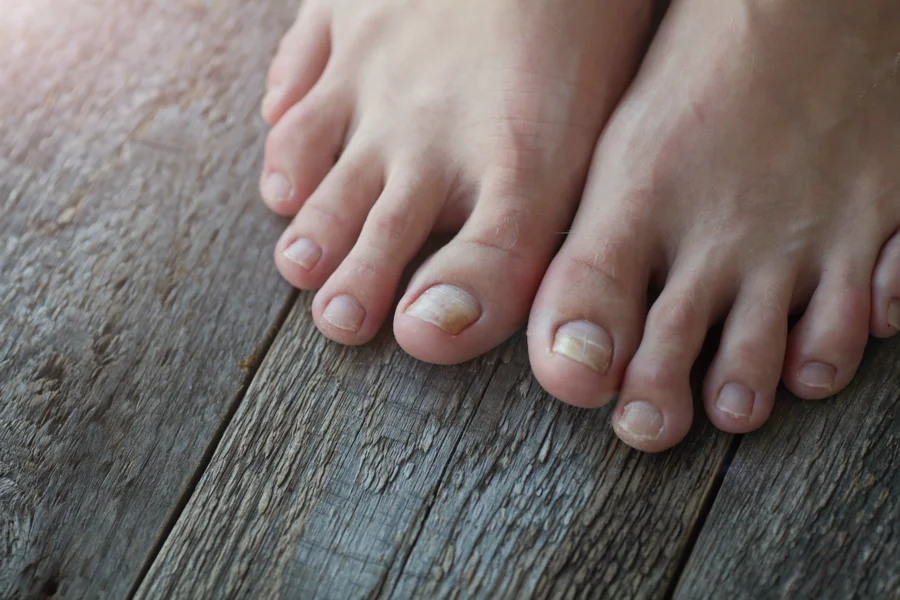
Is This Actually Fungus?
An abnormal-looking toenail is not automatically a fungal toenail. Trauma, repetitive pressure, psoriasis, and other nail conditions can look very similar to a fungal infection. Toenails can become thick, yellow, white, brittle, loose, or distorted from:
- Repetitive shoe pressure
- Previous nail trauma
- Psoriasis and other skin conditions
- Aging and changes in nail growth
- Certain medical conditions
- Fungal infection
Treating a nonfungal nail for fungus can mean spending months, along with considerable effort and money, on a treatment that was never appropriate in the first place. Before recommending a treatment program, Dr. Kurlanski evaluates your nails, discusses your history, and determines whether diagnostic testing is appropriate. When indicated, we recommend obtaining a nail sample to confirm fungal involvement before committing to treatment.
What are Fungal Nails?
Fungal nails, also known as onychomycosis, occur when fungi infect the nail bed or nail plate, typically in the toes. The condition can develop gradually and may spread if left untreated. Warm, moist environments like sweaty socks, locker rooms, or poorly ventilated shoes often contribute to fungal growth.
Symptoms for Fungal Nails
- Yellow, white, or brown discoloration of the nails
- Thickened or brittle nail texture
- Crumbling or flaky nail edges
- Separation of the nail from the nail bed
- Mild discomfort, especially when wearing shoes
Why We Take a Comprehensive Approach
Fungal toenails, also called onychomycosis, can be difficult to treat. The fungus may involve the nail plate, the tissue underneath the nail, and the surrounding skin. Shoes and socks can also contribute to reinfection. That is why we don’t rely on a single treatment.
Once fungal infection is identified, we develop a plan based on the severity of the infection, the number of nails involved, your medical history, previous treatments, and your individual goals. Depending on your situation, treatment may include:
- Professional thinning of the affected nails
- Laser treatment of the toenails
- Prescription topical antifungal medication
- Oral antifungal medication when medically appropriate
- Treatment and prevention of athlete’s foot
- Daily nail and skin care
- Shoe and sock hygiene
- Strategies to reduce moisture and reinfection
Your treatment plan is individualized. Not every patient requires every component.
Is Fungal Nail Treatment Right for Me?
You may benefit from an evaluation if you have:
- Yellow, white, brown, thickened, or brittle toenails
- Debris underneath the nail
- A nail separating from the nail bed
- Progressive involvement of additional toenails
- Recurrent athlete’s foot along with abnormal nails
- Toenails that haven’t improved with previous treatment
- A previous diagnosis of fungal nails that keeps returning
Your first visit is designed to determine what is causing the nail changes and what treatment makes sense for you.
Realistic Expectations. Individualized Treatment.
There is no single treatment that works for every fungal toenail, and there is no responsible way to promise that every affected nail will become completely clear. The severity and duration of the infection, nail growth rate, circulation, medical conditions, previous nail damage, adherence to home treatment, and risk of reinfection can all affect the outcome.
Toenails also grow slowly. A big toenail can take roughly 12 to 18 months to grow out completely, so improvement is measured over months, not weeks. We photograph your nails so progress can be tracked over time.
Our approach is to diagnose first, treat comprehensively, monitor your progress, and give you realistic expectations from the beginning.
What Can I Do To Prevent Fungal Nails?
For daily prevention we would highly recommend our Lighthouse Daily Defense Spray.
Strong enough for tough infections.
Gentle enough for daily use!
Keeping your feet healthy shouldn’t be complicated. Whether you’re recovering from toenail fungus, managing cracked heels, or simply looking to prevent future issues, daily care can create lasting results.
Find Out What’s Really Going On With Your Toenails
If you’re concerned about a thick, discolored, or damaged toenail, schedule an evaluation with Dr. Kurlanski to find out what’s actually causing it and what you can do about it.
