Dr. K’s Favorite Foot Care Truths (Straight From the Exam Room)

Dr. K’s Favorite Foot Care Truths (Straight From the Exam Room)

Honest advice, a little humor, and what to expect when you’re under my care. One of the best parts of being a direct care podiatrist is the time I get to spend actually talking with my patients—no insurance checkboxes, just real conversations. Over the years, I’ve found myself repeating certain phrases that sum up my…

Move Better, Feel Better: The Overlooked Role of Foot Health in Weight Loss

Move Better, Feel Better: The Overlooked Role of Foot Health in Weight Loss

When we think about weight loss, we often picture nutritionists, personal trainers, and family doctors as part of the team. But did you know that a podiatrist can be a key partner in helping you succeed? As a podiatrist specializing in functional and lifestyle medicine, I work with patients not just to treat foot and…

Home Care for Fungal Toenail Treatment: How to Improve Nail Health & Prevent Reinfection

Home Care for Fungal Toenail Treatment: How to Improve Nail Health & Prevent Reinfection

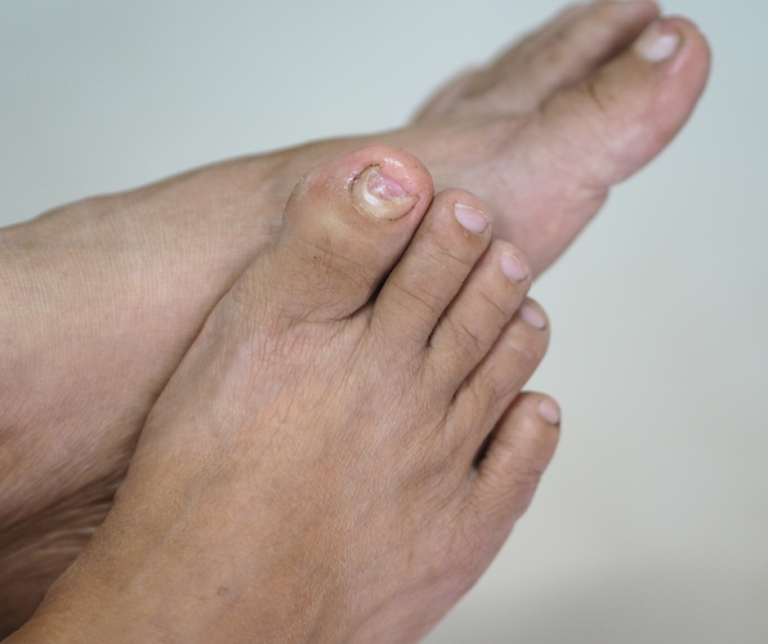
If you’re undergoing treatment for fungal toenails (onychomycosis), it’s essential to take daily home care measures to support healing and prevent reinfection. While oral medications, prescription topicals, and laser therapy help eliminate the infection, your foot hygiene and environment play a huge role in ensuring successful treatment and long-term prevention. In this post, we’ll cover…

Orthotics Plus Therapy: A Powerful Combo

Orthotics Plus Therapy: A Powerful Combo

How Custom Orthotics Work with Other Treatments Custom orthotics play a critical role in supporting and correcting foot mechanics. But they are even more effective when used alongside other treatment options. Here’s how they complement different therapies to relieve pain and improve function. Shockwave Therapy and Custom Orthotics Shockwave therapy helps stimulate healing in damaged…

Early Intervention for Fungal Toenail Infections: Why Acting Fast is Key to Successful Treatment

Early Intervention for Fungal Toenail Infections: Why Acting Fast is Key to Successful Treatment

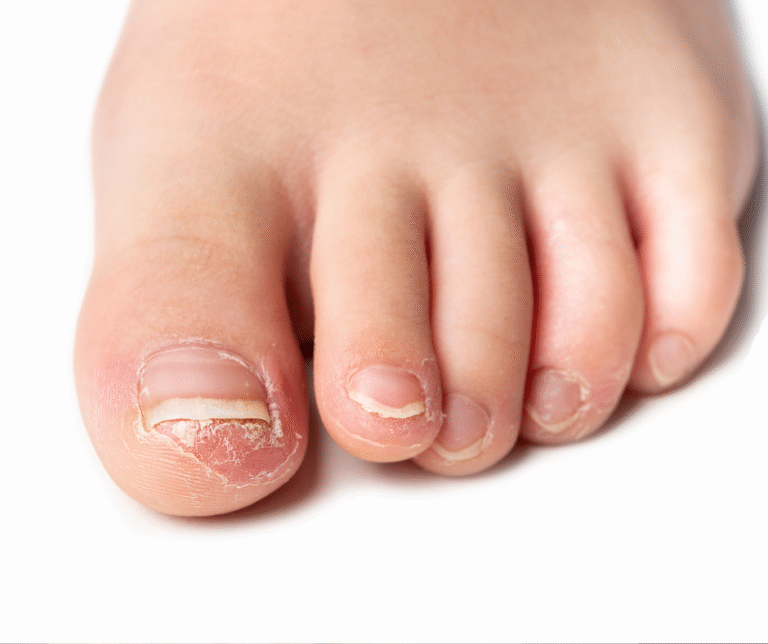
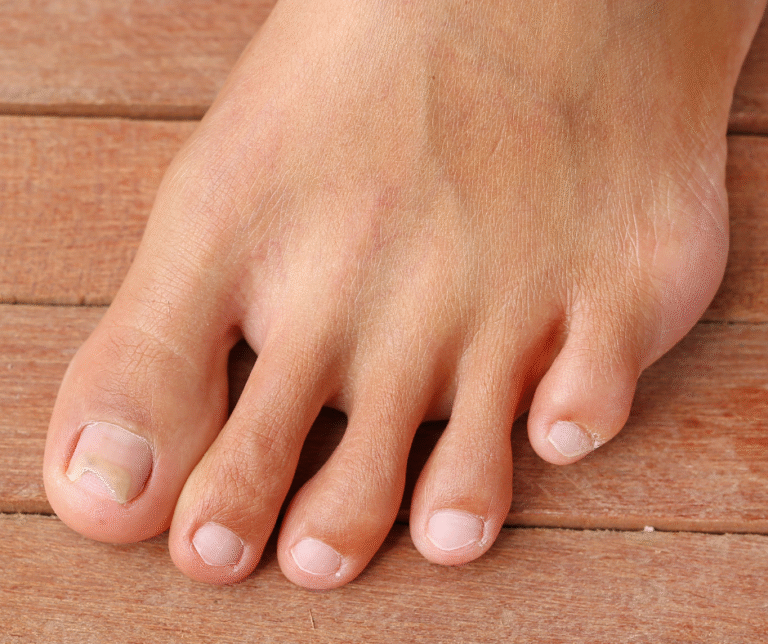
Fungal toenail infections (onychomycosis) are one of the most common foot conditions, affecting millions of people each year. While it may start as a small white or yellow spot under the nail, if left untreated, it can worsen and become difficult to treat. Many people ignore early signs of a fungal infection, thinking it will…

Plantar Fasciitis vs. Plantar Fascial Rupture: Understanding the Difference, Treatment, and Recovery Time

Plantar Fasciitis vs. Plantar Fascial Rupture: Understanding the Difference, Treatment, and Recovery Time

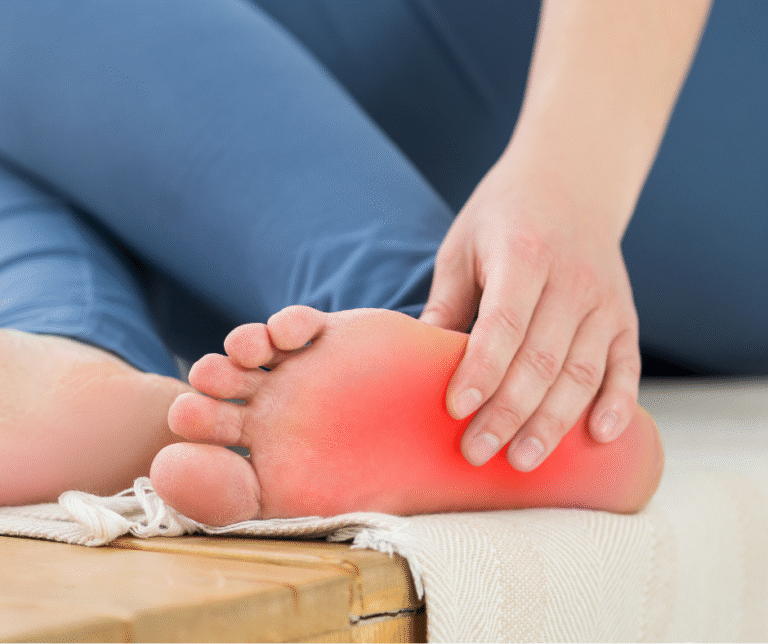
Heel pain is one of the most common complaints we see in the clinic, and often, the culprit is plantar fasciitis. However, a more severe but less common condition—plantar fascial rupture—can also cause significant pain and dysfunction. While both conditions affect the plantar fascia, the thick band of tissue that runs along the bottom of…

Protect Your Feet during Winter Sports To Avoid Injury

Protect Your Feet during Winter Sports To Avoid Injury

If the change in weather to colder temperatures has you itching to dig out your skis, skates, and snowshoes, be sure to prepare before heading outside. Preparation is essential for safety when enjoying winter sports. Poorly-fitting equipment or inadequate physical preparation can turn a winter outing into a long recovery period after an injury. Tips…

Diabetes: The Heart Connection

Diabetes: The Heart Connection

We recently explored how important it is that a podiatrist is on your diabetes management team because of the link between diabetes and serious foot problems. There is a link between diabetes and heart disease too. The theme of this year’s National Diabetes Month in November is “Take Diabetes to Heart” to focus on the…

Put a Podiatrist on Your Diabetes Management Team

Put a Podiatrist on Your Diabetes Management Team

Diabetes is a serious disease that can affect your whole body – including your feet. It’s important to understand diabetes and its complications, so we are writing a series of blogs to learn more about this disease for National Diabetes Month in November. Individuals with diabetes have too much blood sugar, called glucose, in their…

Do’s and Don’ts for Halloween Foot and Ankle Safety

Do’s and Don’ts for Halloween Foot and Ankle Safety

With Halloween right around the corner, little children are nestled all snug in their beds thinking of candy and jack-o’-lanterns! What are parents thinking of, besides do they have all the costume pieces that their child wanted? Safety on Halloween night. Incredibly, more than 3,800 children are injured in the U.S. on Halloween night. The…

Toe Ulcer Treatment – Tenotomy – Frequently Asked Questions

Toe Ulcer Treatment – Tenotomy – Frequently Asked Questions

One of the most effective treatments for toe ulcers is a tenotomy. When an individual has neuropathy, or nerve damage, due to diabetes or another problem such as cellulitis, there is a loss of feeling in the extremities, often in the feet. At our practice, we often hear questions from our patients as to what…

Common Tennis Foot and Ankle Injuries

Common Tennis Foot and Ankle Injuries

Foot and ankle troubles affect both amateur and professional tennis players alike.  Despite good self-care, properly hydrating, stretching and wearing appropriate shoes, injuries can still happen.  Running, cutting, jumping, quick stops and starts on hard surfaces set the stage for foot and ankle trauma.  6 Common Foot and Ankle Tennis Injuries 1.      Subungual hematoma –…

What is the difference between an orthotic and insert?

What is the difference between an orthotic and insert?

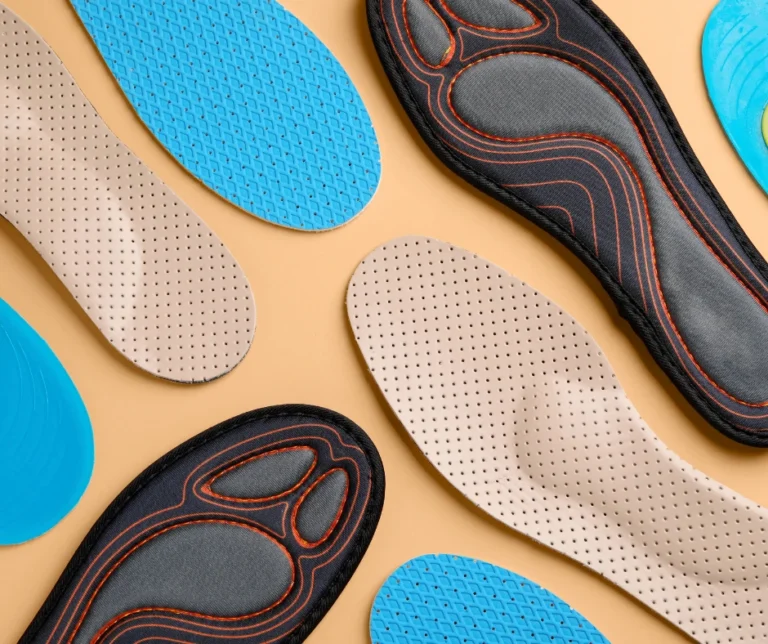
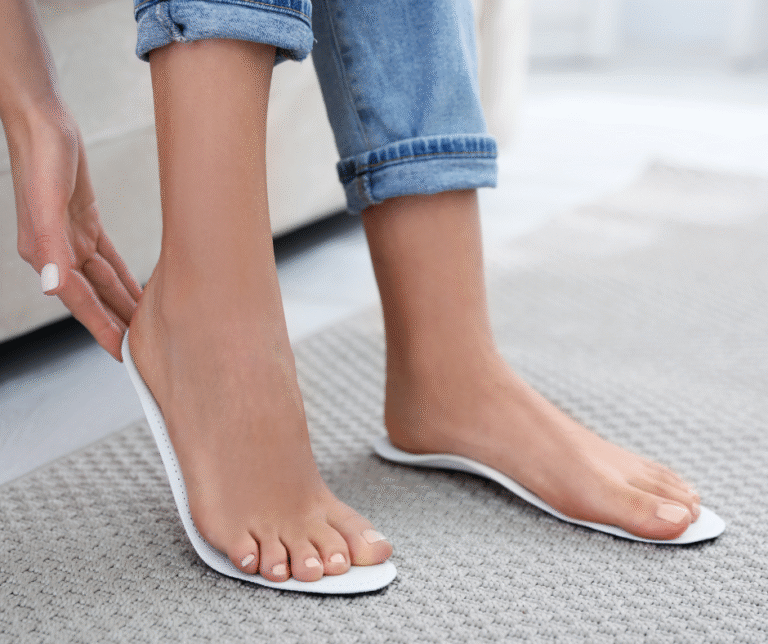
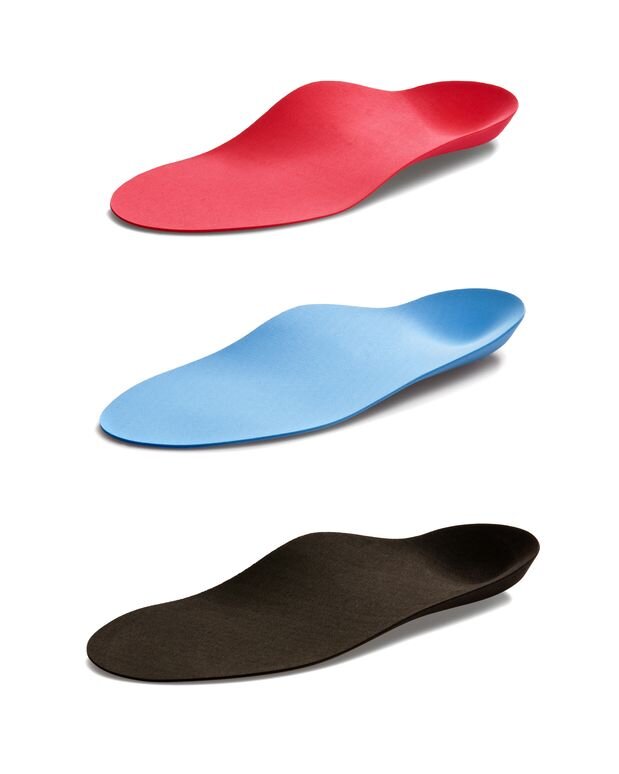
Orthotics and inserts each are effective in treating foot and ankle conditions such as neuroma, and plantar fasciitis. While the two terms are used interchangeably, they are different! What makes an orthotic different than an insert?  A lot of inserts are marketed as orthotics. They may look like an orthotic; have a plastic shell, deep…

Do Your Burning Feet Keep You from Falling Asleep?

Do Your Burning Feet Keep You from Falling Asleep?

The first question I ask patients when they come to me with diabetic peripheral neuropathy is “Do you have trouble falling asleep due to your feet?”  Often people with diabetic neuropathy have trouble falling asleep due to tingling and burning pain.  The zingers may not be noticeable during the distractions of the day, but once settled into bed, the burning pain is obvious.  Some patients struggle for hours to fall asleep, rubbing…

Information for Our High-Risk Patients

Information for Our High-Risk Patients

Dear Valued Patient, Here at Lighthouse Foot and Ankle Center, our goal is to keep high-risk patients out of the Emergency Room and Urgent Care and stay infection and ulcer free. High-risk patients include those with diabetes with neuropathy and poor circulation, history of amputation, infection or ulceration. Ways we can help: Triage with Telehealth – a…

Notice Regarding COVID-19

Notice Regarding COVID-19

Lighthouse Foot and Ankle Center is here for you. At this unprecedented time in history, we want to stay in touch with you to keep you informed as we all deal with this crisis together. This is the first in a series of weekly communications we will be sending you to stay connected. Our office will…

In the midst of coronavirus, the “footshake” is the new handshake

In the midst of coronavirus, the “footshake” is the new handshake

All of us at Lighthouse Foot and Ankle Center are wishing the Scarborough community, and the world at large, health and safety at this time. We thought it would be nice to share an uplifting new foot-related trend to brighten your day! In the past couple of weeks, life has turned upside down for most…

New to Neurogenx? What you need to know now about treating neuropathy

New to Neurogenx? What you need to know now about treating neuropathy

What is it? FDA-approved, non-surgical, non-invasive, and non-narcotic, Neurogenx is a state-of-the-art electro-medical treatment tool. It provides major results by relieving neuropathy symptoms and pain with high-frequency electronic waves that safely and gently reach deep into muscle and tissue to promote healing. What does it do? Treatment with the device helps make changes at the…

It’s National Nutrition Month!—Learn about diet, inflammation, and foot health

It’s National Nutrition Month!—Learn about diet, inflammation, and foot health

March is National Nutrition Month, but what’s that got to do with feet? When it comes to diet, most people think of weight loss or heart health first. While those might be the top reasons to clean up your diet, eating well is important for the health of your entire body. Quite a few common…

Diabetic Foot Complications — the Most Common Problems

Diabetic Foot Complications — the Most Common Problems

People with diabetes are more prone to developing many types of foot problems. Neuropathy is the most common, and it can make it harder to identify other diabetic foot complications like: ulcers calluses, corns ingrown toenails dry, cracked skin infections injuries or fractures poor circulation Neuropathy causes loss of sensation in the feet, making it…

Walking on Legos Is Painful – Unless You Have Neuropathy

Walking on Legos Is Painful – Unless You Have Neuropathy

Have you heard of Lego-walking? If you have ever inadvertently stepped on one of these little plastic building blocks while barefoot, you know how painful it can be. Well, individuals compete in distance barefoot Lego-walking – they choose to experience all that pain!  The current record-holder is Salacnib “Sonny” Molina, who last year set up…

Learn about Peripheral Artery Disease during American Heart Month

Learn about Peripheral Artery Disease during American Heart Month

You may wonder why we are discussing February’s American Heart Month in connection with your feet and lower legs. Peripheral artery disease or PAD is a common circulatory problem where the arteries are narrowed, restricting blood flow to your limbs. If you have PAD, your legs will not receive enough blood flow to keep up…

End of content

End of content