The Hidden Connection Between Menopause and Foot Pain
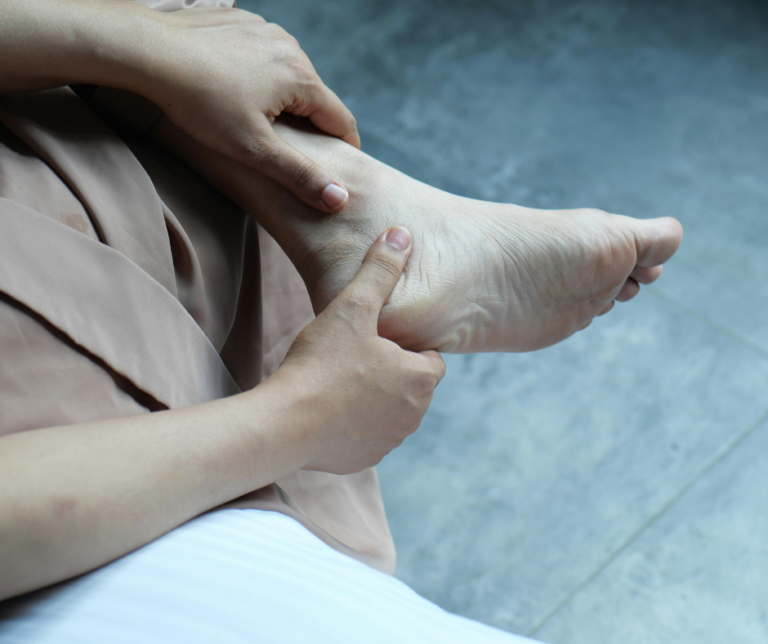
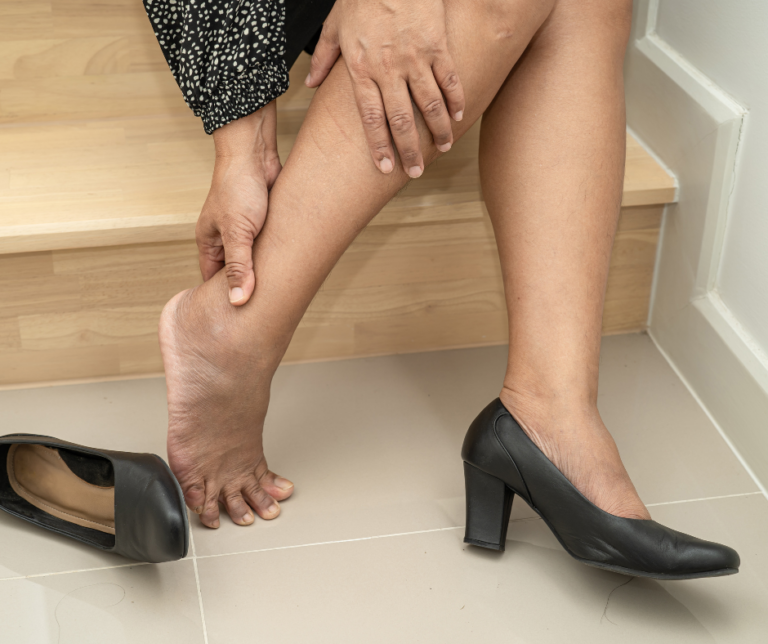
Most women expect menopause to bring hot flashes, sleep disturbances, mood changes, weight gain, and brain fog. Few expect it to affect their feet.
Your blog category
Most women expect menopause to bring hot flashes, sleep disturbances, mood changes, weight gain, and brain fog. Few expect it to affect their feet.
Every year around this time, I hear a version of the same question: “If I start treatment now, will my toenails be clear by July 4th?” I understand the question.
Summer is finally here. The boots are packed away. The sneakers come off. And suddenly your feet are spending most of their time in sandals, flip-flops, slides, and other warm-weather favorites. For many people, that change feels great at first. Then a few weeks later, heel pain shows up.
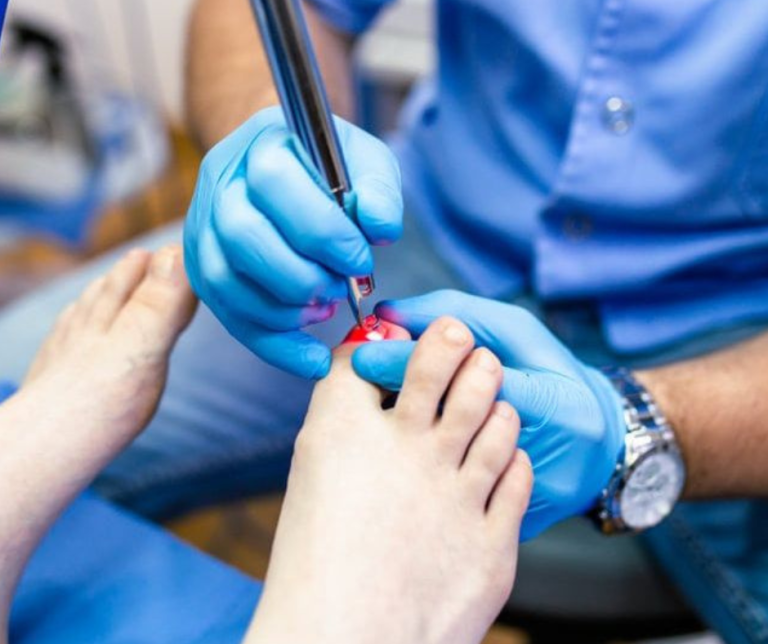
If you’re considering laser treatment for toenail fungus, you’re likely wondering: does it work, how long will it take, and when will your nail start to look normal again?
Most people assume heel pain is plantar fasciitis. And to be fair—that’s often true.
But not always. Because there’s another cause of heel pain that gets missed more often than it should… a stress fracture.
If you’ve been dealing with heel pain, chances are you’ve already tried stretching. Calf stretches. Plantar fascia stretches. Maybe even a full routine you found online. And yet… your heel still hurts. So what’s going on?
You hesitate before taking your shoes off.
At the beach. At yoga. Even at home around family. You angle your feet away. You keep the lights low. You choose closed-toe shoes—even when it’s 80 degrees outside. If this sounds familiar, you’re not alone. And more importantly, this is something you can actually do something about.
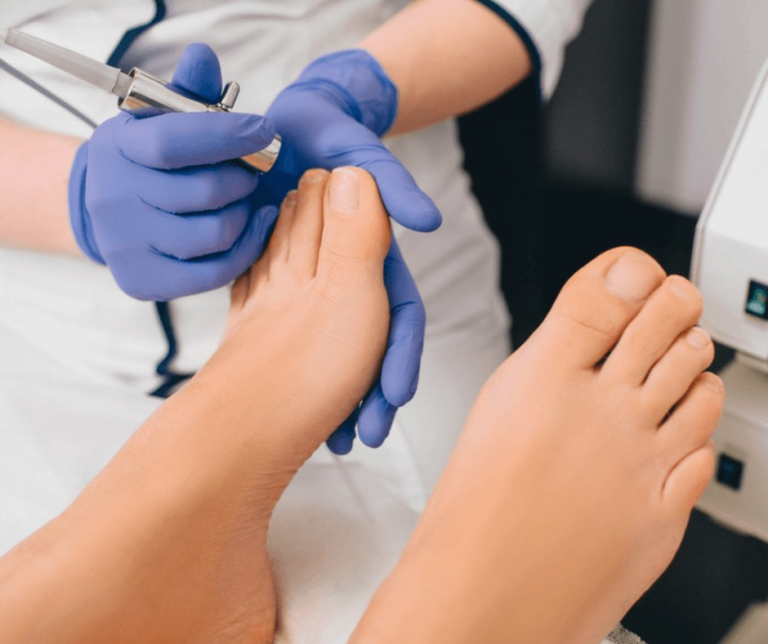
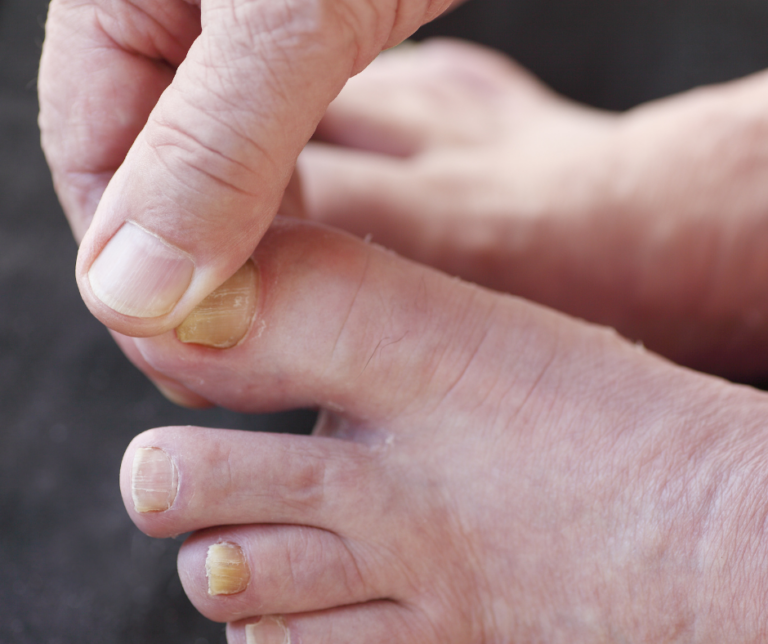
Thickened, discolored, or brittle nails are one of the most common concerns I see in practice. Many patients assume it’s a fungal infection—and often, they’ve already tried over-the-counter treatments without success. But here’s where it gets more nuanced: Not all abnormal nails are fungal. And not all fungal nails are just fungal.

Here’s the reality: most people think Achilles tendonitis is a “too much running” problem. That’s only part of the story—and honestly, not even the most important part.
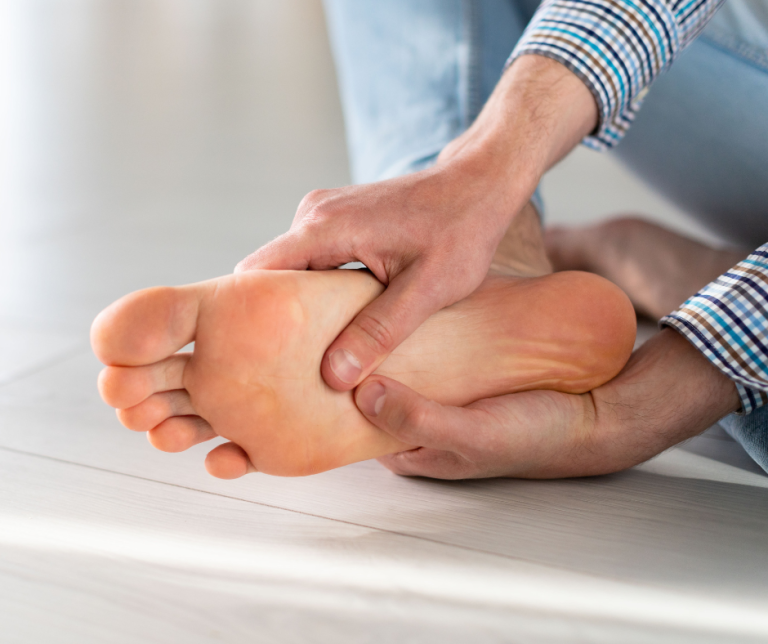
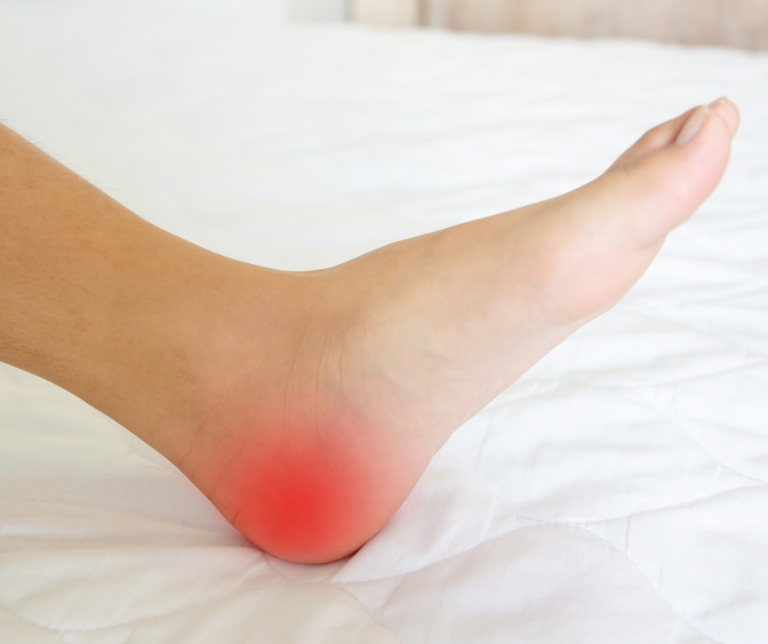
If you’ve ever taken your first steps out of bed and felt a sharp pain in your heel… you’re not alone. Or maybe it happens after you’ve been sitting—on the couch, at your desk, or in the car—and that first step feels tight, sore, or even stabbing.
A neuroma (most commonly a Morton’s neuroma) is a thickening of nerve tissue between the toes—usually between the 3rd and 4th toes. It develops from repetitive irritation and compression of the nerve, which is exactly what can happen when you suddenly increase running volume.
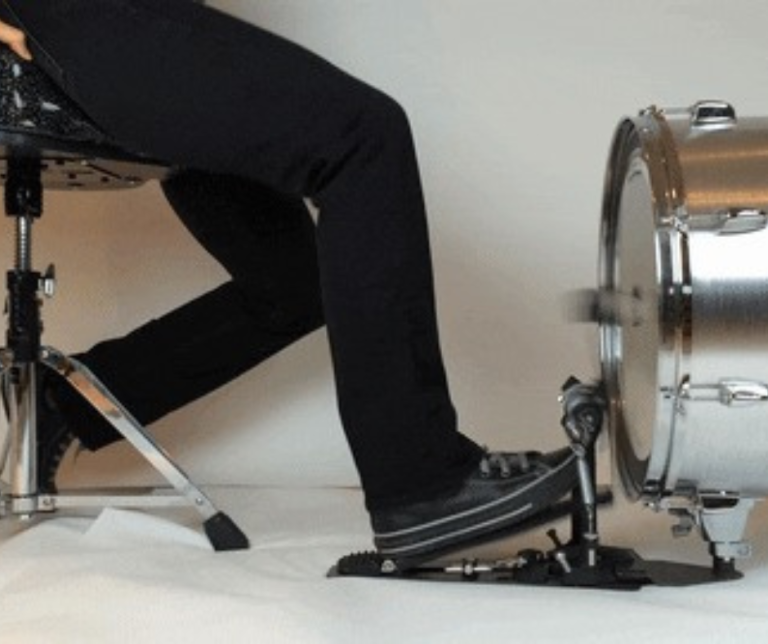
If you’re playing the kick drum regularly—especially fast, repetitive patterns—your Achilles tendon is under significant load. The motion may look small from the outside, but internally the tendon is absorbing repetitive tensile and eccentric force hundreds, sometimes thousands, of times per session. If you’re developing stiffness or pain at the back of your heel, the issue is often mechanical.
Yoga is often recommended for flexibility, strength, and recovery. But occasionally patients are surprised when a pose that looks simple—like Downward Dog—causes pain in the big toe joint. Understanding why it happens can help you decide what to do next.
Like many people escaping a Maine winter, I recently took a cruise to warmer weather. Sunshine, ocean air, and a break from the snow are hard to beat this time of year. Cruises are a great way to travel, but after spending years treating foot and ankle problems, I couldn’t help but notice the many ways people could potentially injure their feet while onboard.
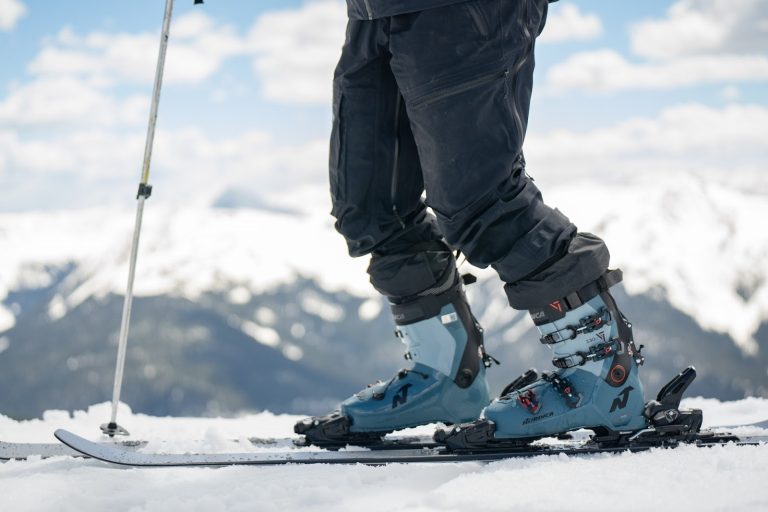
If you feel pain in the front of your ankle when you flex forward in your ski boots, you are not alone. Ski boots are rigid. They hold your ankle in sustained dorsiflexion — a forward-bent position that improves edge control and performance. But that same position increases compression at the front of the ankle joint. For some skiers, that repetitive compression leads to anterior ankle impingement. This is not “just tight calves.” It is a mechanical compression problem.
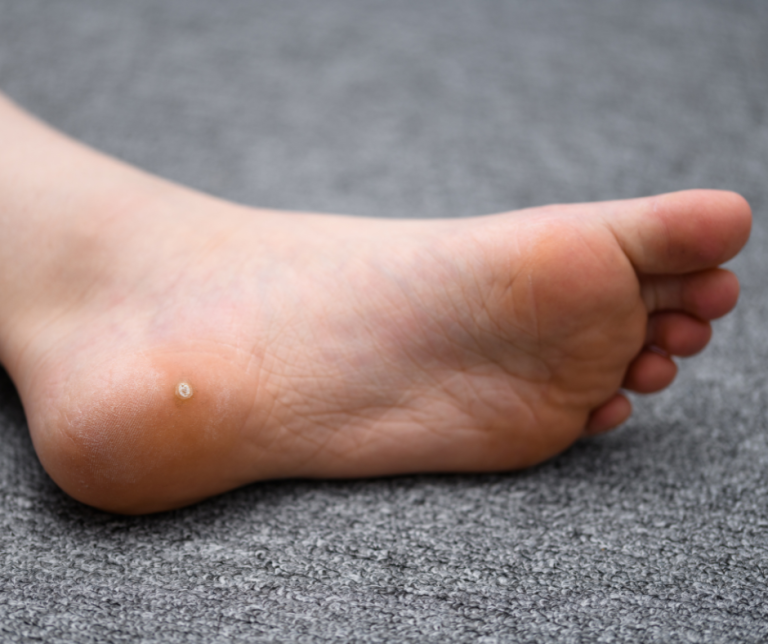
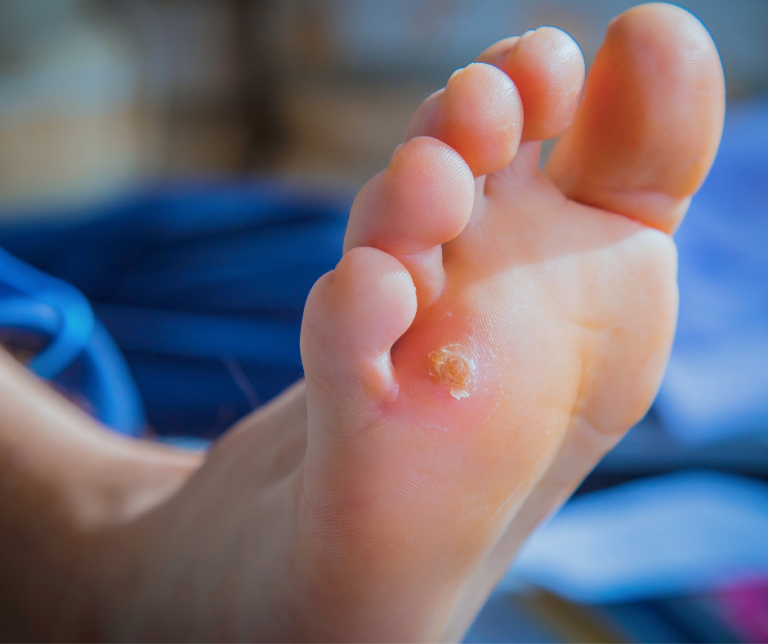
Plantar warts are more than a nuisance. They can be painful, stubborn, and frustratingly slow to resolve—especially when spring and summer activities increase time on your feet. Many patients come in after trying acids, freezing kits, or even surgery, only to find the wart still there or returning.
Portugal has become one of the most popular destinations among my patients, and it’s easy to understand why. The food, the pace of life, and the walkability make it incredibly appealing. What surprises many travelers is how differently various regions challenge your feet.
Heel pain, including plantar fasciitis, doesn’t exist in isolation. The foot is where symptoms show up, but healing depends on what’s happening throughout the rest of the body. When progress stalls, it’s often a sign that something outside the foot is influencing recovery.
Pain in the ball of the foot rarely shows up all at once. More often, it sneaks in gradually as the front of the foot starts taking on more stress than it can comfortably handle. There’s usually no single injury to point to, which is why many people brush it off at first. But as that extra pressure adds up day after day, the tissues under the toes become irritated, and what started as a mild ache turns into pain that’s harder to ignore with every step.
Many patients feel frustrated when foot problems seem to linger far longer than expected. Whether it’s heel pain, a stubborn skin condition, or slow nail improvement, it’s common to wonder why progress feels so slow. The reality is that feet heal differently than other parts of the body—and there are clear reasons why.
Many patients are surprised when heel pain flares up during the winter months—especially if they’re exercising less. It seems counterintuitive, but colder weather actually creates the perfect conditions for foot pain to develop or worsen.
If you have a painful spot on the bottom of your foot, it’s tempting to assume it’s just a callus. But many patients are surprised to learn they’re actually dealing with a plantar wart—and treating the wrong condition can delay healing for months.
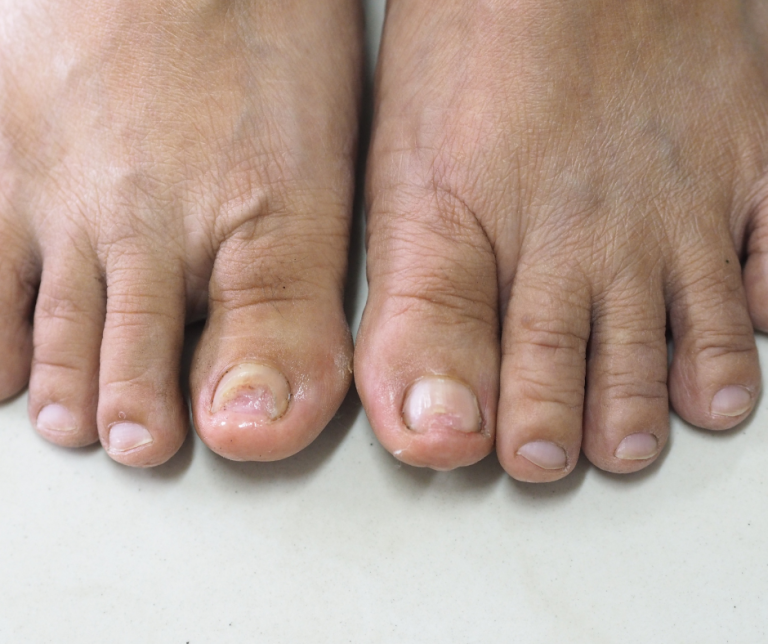
Understanding the difference matters, because warts and calluses have very different causes and treatments.
Fungal toenails are one of the most common—and most misunderstood—foot conditions. Many people hope the problem will improve on its own or try a series of over-the-counter treatments without success. What often gets overlooked is that fungal nail treatment is less about the product you choose and more about timing, consistency, and realistic expectations. That’s why January is an ideal time to begin treatment.
I developed Lighthouse Daily Defense HOCl Spray because I wanted a medical-grade, science-backed solution that was gentle enough for daily use yet powerful enough to support true foot and skin health. Our version is a stable, purified hypochlorous acid solution that mimics the body’s natural immune response—safe, fragrance-free, and suitable even for sensitive skin.
Foot and ankle pain can be life-changing. Whether it’s a new injury or something you’ve been living with for years, persistent pain makes exercise, work, and even daily errands more difficult than they should be. At Lighthouse Foot & Ankle Center, we use Class IV Remy laser therapy as part of our treatment approach because it helps patients heal faster, reduces inflammation, and gets them back to activity with less pain.
Winter is one of the toughest seasons on your feet and joints. Cold temperatures can worsen inflammation, stiffen tendons, and amplify the aches of arthritis—especially in the feet, ankles, and midfoot. Many of my patients assume they simply need to “wait it out,” but winter is actually the perfect time to support your joints from the inside out.
Living with arthritis in your feet can feel discouraging. Stiffness in the morning, aching after activity, and that constant “crunchy” feeling in the joints can make you wonder if staying active is even possible.
At Lighthouse Foot and Ankle Center, we take a comprehensive approach to treating and preventing fungal nail and skin infections. Winter is actually the ideal time to address these issues, since you can treat them quietly and effectively while your feet are covered. By spring, your nails and skin will be healthy, clear, and ready for sandal season.
Running is one of the simplest and most effective forms of exercise—but it’s also one of the most demanding on your feet. At Lighthouse Foot and Ankle Center, heel pain is one of the top complaints we see in runners, whether they’re training for a marathon or just getting back into fitness after a break.
Many people shrug off foot pain as something that will “just go away.” But the reality is, foot pain is rarely random—it’s your body’s way of signaling that something needs attention. Ignoring that signal doesn’t just prolong discomfort; it can lead to long-term problems that are more complex, more expensive, and harder to fix.
Heel pain is one of the most common reasons patients visit Lighthouse Foot and Ankle Center. Two terms often come up in conversation—plantar fasciitis and heel spurs—and they’re frequently used interchangeably. But while the two conditions are related, they’re not the same. Understanding the difference is the first step toward getting the right treatment and lasting relief.
Between insurance approvals, billing departments, copays, and waiting weeks to see a specialist, it can start to feel like you spend more time managing your care than receiving it. At Lighthouse Foot and Ankle Center, we believe there’s a better way. It’s called Direct Care.
If you’re treating fungal toenails, you might think nail polish is off-limits until your nails completely grow out. The good news? You can still enjoy polished nails — as long as you do it safely and strategically.
At Lighthouse Foot and Ankle Center, we understand that healthy nails and beautiful nails can go hand in hand. Here’s how to balance both.
Pickleball has quickly become one of the most popular sports across all age groups — and for good reason. It’s fun, social, and great exercise. But as the sport’s popularity has grown, so has the number of pickleball-related foot and ankle injuries we’re seeing in the office.
You’ve tried it all—over-the-counter acids, freezing, and even advanced in-office treatments. Yet that stubborn plantar wart is still there, mocking you every time you look at your foot.
Heel pain in kids is common—especially in active young athletes—and one of the top causes is a condition called Sever’s disease. At Lighthouse Foot and Ankle Center, we see this condition all the time during soccer season.
Toenails are more than cosmetic. They protect the tips of our toes, and when they’re injured or infected, they can cause pain, pressure, and embarrassment. Fortunately, advances in podiatry now give us innovative tools to help damaged nails grow back healthier. One of the most promising is Onyfix®, a non-invasive nail correction system.
As a podiatrist, I’m always searching for therapies that not only relieve pain but also address the underlying cause of injury. Over the past few years, peptides have gained attention in both regenerative medicine and sports medicine for their ability to stimulate healing at the cellular level.
I’m about to tell you why I’m completely obsessed with hypochlorous acid, one of the simplest, most powerful, and safest molecules in all of medicine and skin care. It sounds fancy. It’s not. In fact, hypochlorous acid is a molecule your body already makes—every single day—to fight off infection.
Pickleball is one of the fastest-growing sports in the U.S.—and here in Maine, it’s easy to see why. It’s social, fun, and accessible for all ages. But with its quick pivots, sudden stops, and repetitive movements, pickleball also comes with a unique set of injuries. At Lighthouse Foot and Ankle Center, we’re seeing more and more players walk through our doors with pain that keeps them sidelined.
At Lighthouse Foot and Ankle Center, we work closely with patients to prevent complications before they begin. One simple tool we often recommend is incorporating hypochlorous acid spray into your daily foot care routine.
If your heel pain has persisted for more than 6 months, or if it flares up with even mild activity, you may be dealing with chronic plantar fasciitis—a more advanced and stubborn condition that often needs more than basic treatment.
Have you ever been told you’re “double-jointed” or super flexible? While that might sound like a party trick, too much flexibility—especially in your feet and ankles—can actually lead to instability, pain, and injury over time. This condition is called hypermobility, and for many patients, it’s a hidden cause behind chronic tendonitis, ankle sprains, and even flat feet. Let’s take a closer look at what it means to be hypermobile, how it affects your lower limbs, and what a podiatrist can do to help.
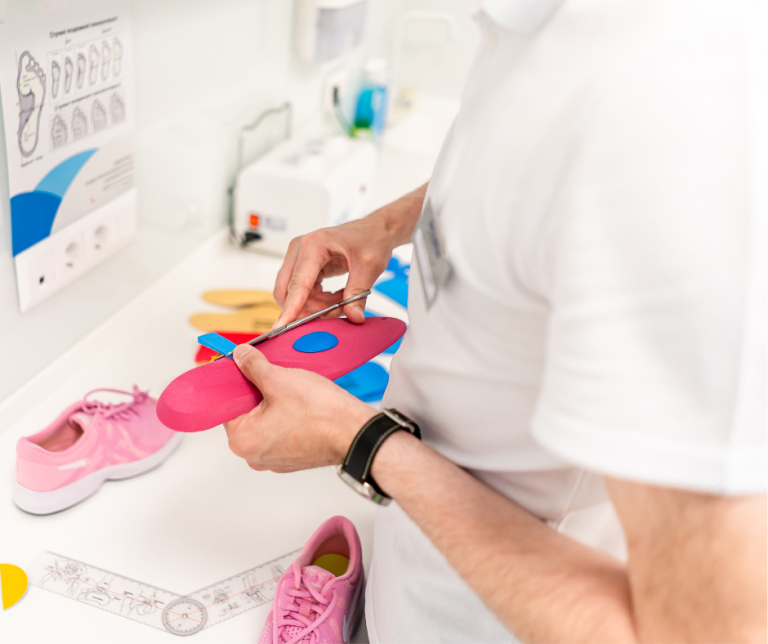
At Lighthouse Foot and Ankle Center, we’ve completely changed that experience by 3D printing your custom orthotics in-house.
If you’ve been battling chronic heel pain or ankle arthritis and feel like you’ve already tried everything—stretching, orthotics, physical therapy, injections—it may be time to consider regenerative medicine.
As a lifestyle-focused podiatrist, my goal is not just to treat foot problems but to help my patients build habits that prevent them in the first place. Here are seven things I wish all my patients would do to support their feet and their bodies.
If you’ve been struggling with heel pain for months or even years, you’re not alone. Chronic plantar fasciitis is one of the most frustrating foot conditions—often lingering despite stretching, orthotics, and home remedies. While most cases of plantar fasciitis improve within a few months, some patients develop persistent, stubborn pain that just won’t go away. If you’ve tried everything and are still dealing with heel pain, it’s time to consider advanced treatment options that go beyond the basics.
Custom orthotics are an investment in your comfort, mobility, and foot health—but they don’t last forever. Whether you’ve been wearing your orthotics faithfully every day or pulling them out seasonally for long walks and workouts, it’s important to recognize when it’s time for a replacement.
You’ve tried ice, rest, inserts… and the pain keeps coming back. Laser therapy could be your next best step. If you’ve been dealing with nagging foot pain, heel pain, or even nerve pain like burning or tingling in your toes, chances are you’ve tried the usual treatments—new shoes, stretching, cortisone shots, maybe even rest or…
Why your lifestyle, preferences, and past experiences matter just as much as your foot shape. Custom orthotics aren’t just shaped to your feet—they’re shaped to your life. At Lighthouse Foot and Ankle Center, we take time to understand you before we ever start building your orthotics. Why? Because two people can have the same foot…
End of content
End of content
Closed daily for lunch between 12pm – 1pm
MON
TUE
WED
THU
FRI*
8:30 AM – 4:00 PM
8:30 AM – 4:00 PM
8:30 AM – 4:00 PM
8:30 AM – 4:00 PM
8:30 AM – 2:00 PM
*Fridays Orthotic casting appointments only
Closed daily for lunch between 12pm – 1pm
MON
TUE
WED
THU
FRI*
8:30 AM – 4:00 PM
8:30 AM – 4:00 PM
8:30 AM – 4:00 PM
8:30 AM – 4:00 PM
8:30 AM – 2:00 PM
*Fridays Orthotic casting appointments only